Pawsitive Solutions

Dog Training Solutions

Email: enquiries@pawsitivesolutions.com

Phone: 07842 050 998

  • Home
  • Our Team
    • JOIN OUR TEAM
  • Training Programmes
    • One-to-One Behavioural Training
    • General Obedience Training
    • Puppy Package
  • Enquiries
  • Testimonials
  • Blog

A Few Simple Rules for Pregnant Dog Owners

March 26, 2017 By

dogs-and-pregnancy

Bringing home a baby can be especially daunting when you have a pet. Once the object of your affection, a dog can be deeply unsettled by the arrival of a newborn who steals away your attention!

DO Prepare in advance

Start making changes in your dog’s routine when you’re pregnant, at least 6 months before the baby is due to arrive.

Change your routine – this means everything from the time of walks to feeding times.

Walk your dog erratically and feed your dog inside and outside.

Scatter food in the garden for him/her to find.

Your dog should not see his bowl as the only food source.

This prevents your dog  getting defensive if your baby goes near its food bowl.

Stop hand feeding your dog if you’re guilty of this.

Your dog may try to take food from your baby’s hand.

Stop any excessive jumping well before the baby arrives.

Remember … Dogs learn by association and repetition.

DO set boundaries 

  • Ignore your dog at times and particularly  – don’t respond to their attention seeking behaviours.
  • They definitely won’t have your attention when you have a baby to look after!
  • Praise and make a fuss of your dog when he/she isn’t making a noise or demanding anything.
  • Play at your command – if your dog wants to play then don’t indulge him/her.
  • Only instigate play when you have the time.
  • Set boundaries – places like sofas should be off limits to your dog.
  • You probably won’t want them jumping around places where your baby might be.
  • Let the whole family know the rules and stick to them.
  • Invest in a crate –it provides a comfortable place for your dog to sleep in and retreat to.
  • It’s especially useful in the first few months when you will have constant visitors.
  • The increase in activity can overwhelm many dogs.
  • Secure your garden. Your dog can happily play in the garden when you have to deal with the baby.

The Baby’s Arrival

  • Arrival – ideally  have someone else carry the baby into the house.
  • Remember, to your dog the size of his pack has just increased. To him the baby is like a new puppy arriving.
  • The vast majority of dogs accept a new baby easily BUT your dog is not a little human and has canine instincts.
  • NEVER bend down and let the dog sniff the baby.
  • NEVER leave a baby and dog unattended.
  • The shrill cry of a baby can over-excite a dog. Be ready to correct any unwanted behaviour.
  • When you sit down with the baby make sure your dog is kept on the ground.
  • This is not a time to have your dog up on the sofa with you.
  • Introduce the two – proceed with caution and be wary of how your dog might act.

Filed Under: Most read articles, Uncategorised Tagged With: #dogs, behaviour, newborn, pregnancy, training

Tips for your dog over Christmas

December 23, 2016 By

Pawsitive Solutions Lorna

Tips for your dog over Christmas

Dogs really like consistency in their lives especially if he/she has a more nervous or timid temperament. Sometimes our pets can be overwhelmed by all the noise and celebrations. Here are some tips to keep your dog happy and safe during the holiday season.

  1. Keep decorations out of reach. Tinsel, lights, and other decorations can be tempting for dogs to play with, but they can also be dangerous if ingested. Ingesting these items can cause digestive issues, blockages, and other health problems for your dog.
  2. Watch out for holiday plants. Poinsettias, mistletoe, and holly can be toxic to dogs if ingested. Symptoms of plant poisoning in dogs can include vomiting, diarrhea, and difficulty breathing.
  3. Don’t give your dog holiday treats meant for humans. Many human treats, such as chocolate and sweets, can be harmful to dogs. Chocolate, in particular, can be toxic to dogs and can cause symptoms such as vomiting, diarrhea, and an increased heart rate.
  4. Keep an eye on your dog during parties. Large crowds and loud noises can be stressful for dogs, so make sure to give your dog a quiet place to retreat to if needed. This can help prevent anxiety and other behavioral issues.
  5. Don’t leave your dog alone for long periods of time. Dogs are social animals and need attention and interaction, so try to make sure someone is around to check on them. Leaving your dog alone for long periods of time can lead to boredom, destructive behavior, and other issues.
  6. Make sure your dog has proper identification. If your dog gets lost during the holiday chaos, a collar and identification tags can help ensure a safe return home. Having a microchip is also a good idea in case your dog loses their collar.
  7. Keep your dog on a regular routine. Changes to your dog’s routine can be stressful, so try to stick to their normal feeding and exercise schedule as much as possible. This can help your dog feel more comfortable and secure during the holiday season.

Please contact us if you or someone you know is looking for help with their dog via our enquiries page.

Contact us

Filed Under: Uncategorised Tagged With: tips, xmas

Helping Dogs and Children co-exist

November 12, 2016 By

Dogs and Children

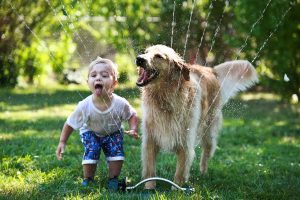
Dogs and Children

In the clear majority of cases dogs and children co-exist happily together. We are however two different species and parents must educate their children on how to behave with a dog.

Sadly, we hear too many stories of dogs attacking children. People then react AFTER the event and usually the answer is to blame the dog.

It is understandable that after any dog attack people react in this way however blaming the dog is not the answer. The answer MUST lie in education.

Dogs are pack animals with an inner wolf mindset, they are NOT little humans. In a pack environment dogs are taught about hierarchy, and respect for boundaries from a very young age. If you see the interaction of young puppies in their formative first weeks with their mother and siblings, you will see this.

When we bring dogs into our families because we are NOT pack animals we blur the discipline which the dog expects. Dogs NEED rules and boundaries and If they aren’t given these then many dogs make their own. Some temperaments of dog e.g the nervous or fearful need this leadership more than others.

Much though we love our own or dogs it’s important to realise they do see life differently to us. Dogs see young children in the same way as they see a puppy. While many dogs are very tolerant of children as they are with puppies it’s not the case with all dogs. It makes sense to EDUCATE our children in some basic safety rules.

Adult Rules with a view to helping dogs and children co-exist

  • NEVER leave a dog alone with a child or baby
  • Children (under 12 years of age) should not be allowed to walk a dog without adult supervision
  • Never allow a young child (under 10 years) to feed a dog unsupervised. (Some dogs can be very protective over food and a small child can easily be seen as a threat to the dogs food supply. This is particularly relevant when the dog is under 2 years of age and or a rescue dog that MAY have been hungry in the past.)
  • Do not allow your child to pull on the dog’s collar to lead it outside –It could snap or bite them
  • Never allow a child to discipline or correct a dog’s behaviour
  • When visiting friends or family who have a dog Do not allow your child to play in the garden with the dog unsupervised. (Young children can unwittingly play far too rough with a dog. SOME dogs cannot take being poked or their tail or ears being pulled so it’s wise to supervise at all times)

Children’s Rules with a view to helping dogs and children co-exist

  • Never pat a strange dog even if it’s owner is present
  • Never go up to a dog that is sleeping or eating (allow it some space)
  • Stay away from a dog that is tied up outside a shop etc.
  • Never ever pull a dogs tail or ears Dogs feel pain as well as us!
  • If a dog runs at you barking stand completely still and put your hands in your pocket
  • Stay away from a dog that has puppies

Filed Under: Most read articles, Uncategorised Tagged With: children

Dogs in Autumn

October 28, 2016 By

dogs-and-autumn

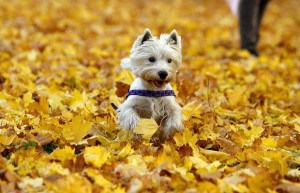
Dogs in Autumn. Saying goodbye to Summer doesn’t necessarily mean saying goodbye to clear skies, sunshine or even seasonal allergies! With Autumn also comes cooler days, darker mornings/evenings and lovely changing landscapes. All which can disrupt the routine of your dogs in autumn. Here are some handy tips and tricks for tackling the new season with your dog!


Daylight

Autumn means less daylight and therefore darker mornings and evenings. This will likely mean that your daily dog walks take place in darkness which can be a safety hazard for both you and your dog. If possible, stay in well lit areas so you can see where you’re walking and if needed, take a torch to highlight paths. Reflective materials will keep you and your dog visible to cars – reflective jackets, collars and flashing lights are all available for a reasonable price and I’ve even used a cat bell on my dog’s collar so I can hear her in the dark! This is particularly handy for dogs with dark coats like mine. Also watch out for broken class and tree roots – I have tripped over a fair few roots myself when out walking during a dark morning!

Cooler Weather

As it’s getting colder in the mornings and evenings, this can affect how you choose to groom your dog. Long hair will be better in keeping your dog warm as opposed to a close trimmed coat during the warmer seasons. It may be an idea to invest in dog clothing such as a coat if your dog is comfortable with it. There are even coats available for long haired dogs (who have shorter legs) that wrap right around the body! This is ideal for keeping your dog’s coat clean too.

Allergies

Often when summer ends, allergies can crop up considerably due to the harvest months and change of season. Look out for any unusual skin conditions and breathing issues such as coughing or snorting. Seek Veterinary guidance if needed as many allergies can be remedied by antihistamines (these work really well for my dog who often develops irritating skin conditions/scratching).

Exercise

You may find that it’s difficult to get out and about with your dog due to bad weather conditions. If you worry that you’re dog isn’t getting enough exercise then please see more of our blog for how to exercise your dog during a spell of bad weather. Keeping your dog active and healthy during the winter months is essential so if an indoor obstacle course needs to be set up then it should be. Even in the cold and bad weather, you’re dog still needs exercise!

Halloween Treats

Needless to say, dogs should not be given any sweeties or chocolate during this season – even if it is Halloween! Keep your dog’s food to meat and veg and make sure they drink plenty of water. When out with your dog, also beware of rotting twigs/leaves which they might pick up. Upset tummies aren’t pleasant for either party!

Filed Under: Most read articles, Uncategorised Tagged With: #dogs, autumn, exercise, safety, season

  • « Previous Page
  • 1
  • 2
  • 3
  • 4
  • 5
  • 6
  • …
  • 46
  • Next Page »

Search

Training Programmes

  • One-to-One Behavioural Training
  • General Obedience Training
  • Puppy Package

Most read articles

  • How to choose the right puppy
  • How to help your dog handle Fireworks and Thunderstorms
  • How to handle a rescue dog
The Natural Dog Training Academy

I NEED HELP SOONER!

Still can’t find what you’re looking for and want to gain access to help on demand? Try our online courses for behaviour focused training with The Natural Dog Training Academy.

We have taken your most requested topics and produced a series of in depth online video courses, covering a range of dog behavioural issues most commonly experienced by owners.

We explore issues like:

  • Excessive barking
  • Excessive pulling
  • Recall
  • Puppy management and much more
  • Curious to see what’s on offer? Click on the link to find out more.

    Go to video courses!

    Recent Posts

    • Puppy Zoomies: What They Actually Mean
    • Helping A Nervous Rescue Dog Build Confidence
    • What To Do When Your Dog Barks At The Door
    • Adopting A Rescue Dog: The First Seven Days
    • Why Your Dog Won’t Settle At Night

    Popular pages

    • Dog Training Glasgow
    • Dog Trainer Glasgow
    • Dog Training Falkirk
    • Join Our Team

    Contact

    Email: enquiries@pawsitivesolutions.com

    Copyright © 2024 Pawsitive Solutions · Powered by Digtial Footprints