Pawsitive Solutions

Dog Training Solutions

Email: enquiries@pawsitivesolutions.com

Phone: 07842 050 998

  • Home
  • Our Team
    • JOIN OUR TEAM
  • Training Programmes
    • One-to-One Behavioural Training
    • General Obedience Training
    • Puppy Package
  • Enquiries
  • Testimonials
  • Blog

Summer Pests and Your Dog

June 5, 2014 By

summer-pests

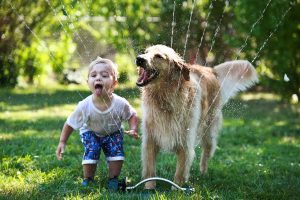
The arrival of the warm season brings lots of sunshine, barbeques and fun outdoor activities our way! But embarking into the Great Outdoors also brings with it some pesky pests who love the hot and humid weather. This can be a real nuisance to both you and your dog which is why we’ve compiled a handy list of the main pests to watch out for during the summer season!

Ticks

Probably the biggest summer pest for your dog – a tiny parasite which lurks amidst long grasses which dogs often sniff/walk through. Regularly check your dog for ticks . The easiest way to remove ticks is to obtain a tick removal tool. I have been using the O’Tom Tick Twister very successfully for years . You can purchase it online or sometimes through your vet. Tweezers can be of use BUT it’s important to grasp where the tick’s mouth meets your dog. Often tweezers can leave the head of the tick buried in your dogs skin so pull gently and steadily while trying to tease out the whole tick.

Bee and Wasp Stings

If you see your dog trying to chase a bee or wasp then try to distract/stop them. If they get stung then remove the sting with tweezers, being careful not to squeeze the poison sack (if it’s a bee sting). A wasp sting will only require cleaning with some malt vinegar or lemon juice to soothe the area. Watch out for sting allergies be particularly careful if your dog is stung in the mouth. Report to your vet if your dogs mouth swells or it suffers any kind of bad reaction!

Grass Seeds

These are easily picked up by walking through long grass and can get caught in your dog’s paws, ears and eyes. Constant itching and discomfort in these areas (such as paw-licking or head-shaking) should be a signal to take your dog to the vet where they can treat the problem. The longer they go untreated, the harder they will be to remove.

Other Pests

Fleas – fleas aren’t just a summer problem but it’s important to keep an eye on your dog, its bedding and indoor areas to prevent an infestation. If your dog has fleas then use a trusted flea removal product to kill them. In severe cases you may need to spray your house Your vet can advise.

Weed Killer – not so much a pest but something to be wary of, especially during the summer months. Keep your dog off private property and under close control, making sure they don’t pick up any material from areas that may be chemically controlled (fields, woodland areas). Any signs of suspicious vomiting, dizziness or diarrhoea then seek veterinary guidance.

Filed Under: Uncategorised Tagged With: dog care, Dog Safety

Case Study: Struggle for Leadership

January 1, 2014 By

Dog leadership struggle

I thought you might find it interesting to read the actual e-mail sent to me by the owner describing her dogs issues and what we did to resolve the problem.

E-mail

“Please help
I have two Cocker Spaniels, both girls who haven’t been spayed. Rosie is 8years old and Libby is 2 years.

I have had both dogs from puppies.

This has never been a problem before but recently the older dog Rosie growls as soon as the younger one goes near and it then develops into a fight and is very distressing. I got bitten the last time trying to separate them.
My vet and other people tell me I will need to re-home one of the dogs but I can’t do that. I love them both and couldn’t bear to loose one of them although I know it would probably be kinder.”

The Solution we put in place

When I went out to see the dogs and owner in their home environment it was very obvious to me that Libby in particular was doing what she wanted in the house. She would race past Rosie to get out the door first, She would jump up on the settee before Rosie, the owner had to stand between the dogs at feeding time or Libby (who wolfed her food down) would rush over to Rosie and try to get her food.

Contrary to what most owners think, when their dogs show aggression, these dogs did not hate one another. They used to play happily together. Something had gone wrong.

In this case the younger dog (Libby) had matured and was challenging the older dog for the lead position in the house hold. Rosie was not prepared to let Libby take charge so she had been warning her for months by growling and eventually this escalated into regular fights.

This is classic pack behaviour whether in a domestic situation or in the wild Depending on the temperament of the animal if they think the top job is vacant they will challenge for leadership. (The majority of dogs of the same sex live harmoniously together but on occasions different temperaments can produce rivalry)

Rosie was simply putting the younger dog in its place and she needed support from the owner.

Rules and boundaries were put in place. Lots of one to one work was done with Libby and she responded well She was taught not to jump on people and furniture. She learnt to wait behind the owner going in and out of doors, We did lots of basic focus exercises where she had to give eye contact and respond to the owners commands. Both dogs were fed separately.

Libby started to see that the owner was taking control and the top job was filled ! She calmed right down and became a much happier dog. Her temperament meant she was never a natural leader anyway.

Rosie saw she had support from her owner and did not need to chastise Libby again so severely, a little growl occasionally was all that was needed.

The owner of these dogs was committed to keeping her dogs together and worked very hard at changing how she handled them. It was not always easy and took a bit of time but both dogs now live happily together and the owner knows she must retain the ‘top job’ in the household.

Filed Under: Case Studies, Most read articles, Uncategorised Tagged With: case study, struggle for leadership

A few tips to help keep your dog safe and happy over the holidays

January 1, 2014 By

Dog safety during party season

This time of year for most of us is filled with parties, visiting family and friends and lots of activity and excitement.

To a dog it is a time of change when his/her routine is disturbed.

Dogs really like consistency in their lives especially if he/she has a more nervous or timid temperament. Sometimes our pets can be overwhelmed by all the celebrations.

Here are a few tips to help you and your dog enjoy the holiday period and some pitfalls to avoid.

1) Make sure your dog has a quiet safe place to escape to when the activity is at its loudest.

2) Teach young children to respect the dogs space and let it rest.

3)Don’t let children hand feed the dog tit bits instead tell them to drop any food on the floor for the dog to pick up. (This avoids excited dogs accidentally grabbing at the food)

4) Be wary of feeding the dog turkey(or any other meat) with the gravy and avoid rich puddings …both can be too heavy and cause upset tummies (In the dog that is!) Keep any scraps plain and simple.

5) Keep all chocolate away from your dog. Excess human chocolate has been known to kill dogs in the past.

6)NEVER EVER feed your dog the bone of a cooked turkey or any other animal. Bones become brittle during the cooking process and can cause horrendous damage if they splinter inside the dog.

Be aware of the winter weather.

1) When the temperature plummets be wary of your dog near water e.g. lochs/canals ect our pets don’t understand that thin ice cracks so keep them on lead near any frozen water.

2) If your dog travels with you remember the temperature in the car can drop fast in cold days. If you have to leave your dog for short periods make sure:

You use a warm doggie coat especially for short haired dogs.

If your dog is settled in the car simply wrap a doggie blanket round him/her to retain heat.

3) If your dog has been out in the snow wipe your dogs paws to remove and snow / ice or road salts that may have accumulated.

Filed Under: Most read articles, Uncategorised Tagged With: Dog Safety

How to exercise your dog during a spell of bad winter weather

January 1, 2014 By

How to exercise your dog

Ever noticed how dogs seem to disappear from the streets and parks during winter?

In really bad weather when it is more challenging to walk your dog as often as normal other tactics can be used to stimulate your pet. 20 minutes of working your dogs brain and making him think will tire him/her more than an hours run in the park.

In the house set aside 10 minutes and go back to basics and brush up on all your general obedience commands like sit, stay, down and come.
Hide toys/treats around the room for your dog to find.

If you don’t already have one get a Kong toy or food ball and fill with pieces of carrot / apple / peanut butter. Dogs can have lots of fun retrieving the food.

There are plenty of mind puzzle games that can be found on the internet to stimulate mental exercise.
Use your garden to practice focus exercises…..This is when your dog is encouraged to and wants to give you eye contact.

1) Put your dog in the sit position, then tell him/her to stay(always use a hand signal) then start to SLOWLY circle your dog The objective is to complete the circle without your dog moving and keeping focus on you. Give lots of praise at the end. If your dog moves simply put him/her back in the sit position and repeat. Gradually over days make the circle bigger and bigger.

Use a lead / long line for extra control of excitable dogs. Practice each exercise a maximum of 4 times. 5-10 minutes of training twice a day is sufficient. Any more may be too tiring for the dog and you end up with bad behaviour.

2) Teach your dog to sit and stay by your side ,throw an object allow your dog to fetch and return to you. Give lots of praise. All these simple exercises can be done in the house (If the room is large enough) or garden /driveway. Daily mental stimulation will help prevent the bad behaviours like destruction and hyperness that can result from boredom and lack of exercise.

Links

Back to Homepage
Enquiries
Our Facebook Page

Filed Under: Most read articles, Uncategorised Tagged With: bad weather, exercising dog

  • « Previous Page
  • 1
  • …
  • 17
  • 18
  • 19
  • 20
  • 21
  • …
  • 63
  • Next Page »

Search

Training Programmes

  • One-to-One Behavioural Training
  • General Obedience Training
  • Puppy Package

Most read articles

  • How to choose the right puppy
  • How to help your dog handle Fireworks and Thunderstorms
  • How to handle a rescue dog
The Natural Dog Training Academy

I NEED HELP SOONER!

Still can’t find what you’re looking for and want to gain access to help on demand? Try our online courses for behaviour focused training with The Natural Dog Training Academy.

We have taken your most requested topics and produced a series of in depth online video courses, covering a range of dog behavioural issues most commonly experienced by owners.

We explore issues like:

  • Excessive barking
  • Excessive pulling
  • Recall
  • Puppy management and much more
  • Curious to see what’s on offer? Click on the link to find out more.

    Go to video courses!

    Recent Posts

    • Adopting A Rescue Dog: The First Seven Days
    • Why Your Dog Won’t Settle At Night
    • Tips For Managing A Multi-Dog Home
    • Understanding Redirected Aggression In Dogs
    • Our Guide To Moving House With A Dog

    Popular pages

    • Dog Training Glasgow
    • Dog Trainer Glasgow
    • Dog Training Falkirk
    • Join Our Team

    Contact

    Email: enquiries@pawsitivesolutions.com

    Copyright © 2024 Pawsitive Solutions · Powered by Digtial Footprints